


10
JunImmigration Consultation: Get Clear Answers in 2026
Immigration consultation is a focused legal meeting where a lawyer evaluates your goals, documents, and immigration history to map clear next steps. At our office in Ontario at 106-2250 Bovaird Drive East, we use consultation immigration sessions to spot risks early, confirm eligibility, and outline timelines so you know exactly what to do next.
By Kapil Rathod, Lawyer — Rathod Law Firm
Last updated: 2026-06-10
Start Here: Your Immigration Consultation Roadmap
Book an immigration consultation to diagnose your options, confirm eligibility, and set timelines. Bring passports, status documents, refusals, and proof of ties. In one session, you’ll leave with an action plan covering applications, appeals, or judicial review strategies—plus a checklist and next-step dates to keep you on track.
This above-the-fold section gives you a fast way to scan the guide and jump to what you need. Use it like a table of contents while you prepare for your first meeting.
- What is an immigration consultation?
- Why an immigration consultation matters
- How the process works (step-by-step)
- Types of consultations and formats
- Best practices to get results
- Tools, checklists, and resources
- Real examples from our practice
- Frequently asked questions
- Next steps and key takeaways
What Is an Immigration Consultation?
An immigration consultation is a structured legal review of your goals, documents, and immigration history that produces a customized plan. You’ll get candid eligibility insights, a risk assessment, and timelines for applications, appeals, or judicial reviews—so you can proceed confidently with the right strategy for your situation.
We treat consultation immigration as the most important hour of your matter. It sets the foundation for everything that follows—applications, appeals at the Immigration and Refugee Board, or filings at the Federal Court of Canada. In our experience, a focused 45–60 minute meeting can surface 8–12 key facts that change strategy.
- Purpose: Diagnose options and constraints, then produce an action plan you can follow immediately.
- Scope: Study permits, work permits, Express Entry and skilled/federal immigration, family sponsorships, visitor records, PR renewals, citizenship, refugee claims and appeals, and judicial reviews.
- Outputs: A written plan, a document checklist, and a sequenced timeline including any deadlines.
Take a simple example: a spousal sponsorship refusal with a misinterpreted relationship timeline. A targeted consultation often uncovers corroborating evidence you already have—chat logs, remittance records, joint obligations—and maps a clear appeal record within days.
Why an Immigration Consultation Matters
A strong consultation prevents avoidable refusals, missed deadlines, and incomplete filings. By aligning your goals with current policy and case law, you reduce risk, protect timelines, and often identify faster pathways—whether that’s an application, an appeal, or judicial review.
Immigration law changes frequently, and facts move faster than forms. Deadlines for appeals and judicial reviews are counted in days, not weeks. We’ve seen applicants lose viable options because they waited 15–30 days to get help—long enough for a deadline to pass.
- Protects deadlines: Appeal and review clocks start the day you receive a decision letter.
- Improves success odds: Strong filings present 3–5 pieces of corroborating evidence per key claim.
- Clarifies priorities: You’ll know which step to do first, second, and third—without second-guessing.
When working with clients in Brampton and across Ontario, we often restructure the order of filings to solve issues in the right sequence—for example, curing status questions before lodging a new application. That reordering can save months.
How an Immigration Consultation Works (Step-by-Step)
Your consultation follows a clear intake flow: pre-meeting questionnaire, document upload, eligibility screening, strategy discussion, and a written plan. You leave with a checklist, timeline, and options for next actions—applications, appeals, or Federal Court steps where appropriate.
Here’s our standard process at Rathod Law Firm, delivered from 2250 Bovaird Dr E #106, Brampton, with online options for clients across Ontario:
- Brief intake (10–15 minutes): You complete a secure form and upload refusals, passports, permits, and letters.
- Document triage: We spot gaps early and flag 2–3 priority items to bring physically if we meet in person.
- Consultation (45–60 minutes): We review facts, identify issues, and outline 2–3 viable paths with pros and cons.
- Action plan: You receive a written plan with a document list and a 30–90 day roadmap.
- Follow-up: Optional check-ins ensure you stay aligned as you gather evidence and complete forms.
| Step | What You Do | What We Do | Output |
|---|---|---|---|
| Pre-intake | Complete questionnaire | Eligibility pre-screen | Initial issue list |
| Document triage | Upload core records | Gap analysis | Priority checklist |
| Consultation | Discuss facts/goals | Strategy mapping | 2–3 path options |
| Action plan | Confirm next steps | Draft timeline | 30–90 day roadmap |
| Follow-up | Gather evidence | Review progress | Adjusted plan (if needed) |
We apply this same structure whether we’re guiding a student permit, rebuilding a refused spousal sponsorship, or preparing a Federal Court record. The consistency helps you stay organized under pressure.
Types, Formats, and When to Book
Choose a consultation format that fits your timeline: in-person at our Brampton office, phone, or secure video. Book within 7 days of a refusal or procedural fairness letter; for new applications, schedule 2–4 weeks before target filing to gather strong evidence.
Consultation immigration sessions aren’t one-size-fits-all. The right format depends on your deadlines and the complexity of your history.
Formats we offer
- In-person (Brampton): Best for complex histories and thick records. We can review originals on the spot.
- Video: Ideal for clients across Ontario and Canada. Screen-share helps walk through forms and letters.
- Phone: Useful for quick eligibility checks when you have a short list of questions.
When to book
- After a refusal: Aim to meet within 7 days to preserve appeal/review options.
- Before filing: Meet 2–4 weeks ahead to build stronger evidence and catch issues.
- Status changes: Consult as soon as your employment, studies, or family status changes.
We also run targeted sessions for refugee appeals in Canada and judicial reviews. Those meetings emphasize deadlines, record-building, and remedies suitable to your facts.
Best Practices That Improve Outcomes
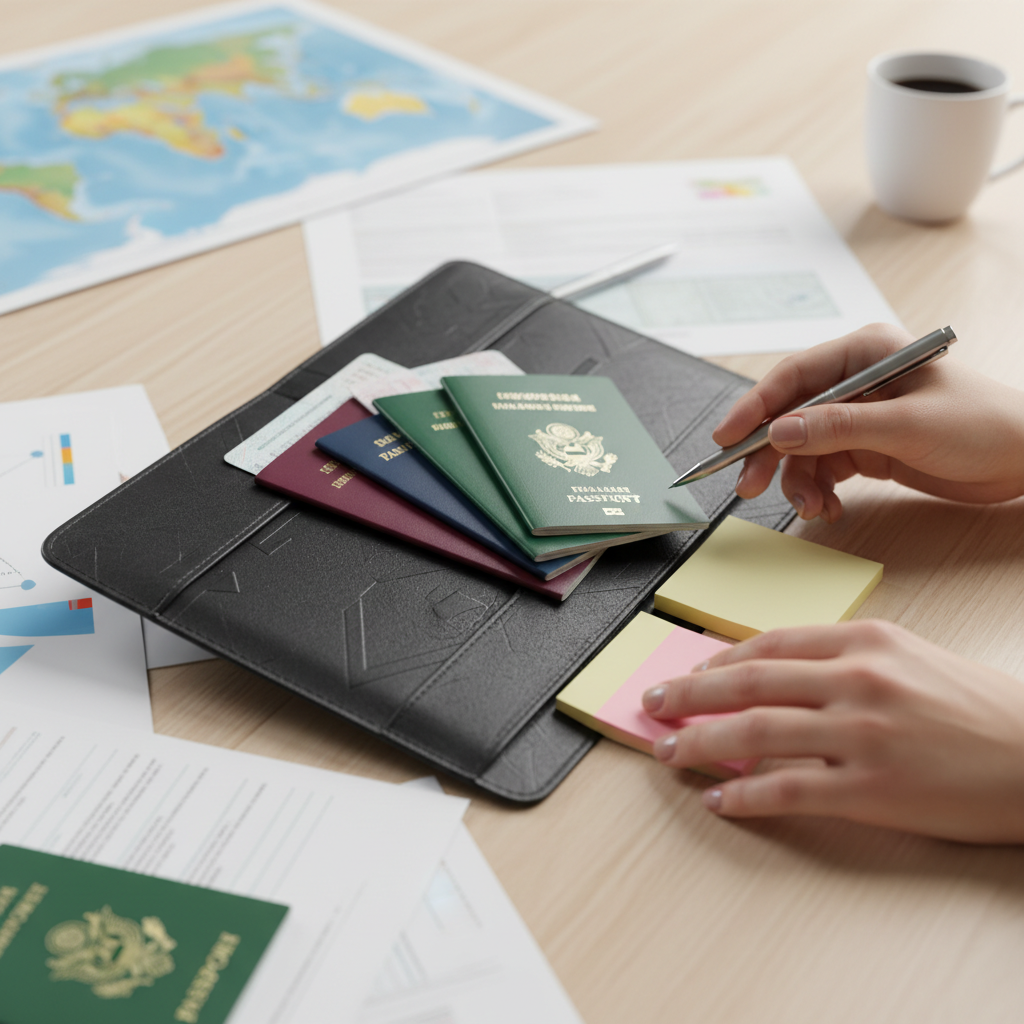
Arrive with a single, chronological bundle of documents and a short timeline of key events. Label evidence clearly, and highlight 3–5 facts that support your goal. This saves time in the meeting and raises the quality of your eventual filing.
Here’s how to turn one consultation into a measurable advantage:
- Organize by date: Put passports, permits, letters, and correspondence in order. A clean timeline reduces confusion.
- Identify proof: For each claim, bring 2–3 pieces of evidence (e.g., employment letters, pay slips, travel stamps).
- Clarify goals: Decide your number-one objective before the meeting to focus strategy.
- Note red flags: Be ready to discuss overstays, gaps, or prior refusals—silence never helps.
- Confirm names/dates: Applications with 1–2 typos on key fields can trigger delays or doubts.
In our practice, clients who arrive with a one-page chronology and labeled exhibits often cut preparation time by 20–30% later. That time goes straight into strengthening the evidence and argument.
Tools, Checklists, and Resources
Use structured tools to speed preparation: a pre-consultation checklist, secure document upload, and a simple chronology template. These keep facts straight and help your lawyer identify the best pathway quickly—application, appeal, or judicial review.
We provide practical tools during intake so you can prepare in hours, not days:
- Pre-consultation checklist: Passports, permits, decision letters, emails with officers, job letters, tax slips, study records.
- Chronology template: One page with 10–15 dated entries covering work, study, travel, and relationship milestones.
- Secure upload link: Consolidate PDFs into a single, dated folder; name files with dates and brief titles.
- Issue matrix: A one-sheet summary of risks, deadlines, and evidence gaps so nothing gets missed.
For additional perspectives on immigration pathways in Ontario, you may review this overview from a regional provider at Ontario immigration basics. Independent summaries like these can help you form questions for your consultation.
Case Studies and Examples (Brampton and Across Ontario)
Real outcomes start with precise consultations. In our files, reorganizing timelines, adding 2–3 corroborating documents, or choosing a different remedy (appeal vs. new filing) has turned stalled matters into approvals and successful appeals.
Below are anonymized scenarios based on matters we see regularly at Rathod Law Firm:
Spousal sponsorship refusal → appeal-ready in 14 days
- Problem: Officer doubted cohabitation continuity.
- Consultation focus: Timeline gaps; financial ties; third-party affidavits.
- Plan: Bank statements, remittances, tenancy records, and two affidavits from community members.
- Result: Appeal record assembled within two weeks with clear chronology and exhibits.
Study permit with weak ties → stronger refile
- Problem: Ties to home country not well documented.
- Consultation focus: Employment trajectory and return plan.
- Plan: Employer letters, training alignment, and family obligations supported by notarized statements.
- Result: Refiled with improved ties and detailed statement of purpose.
Work permit bridge → sequencing matters
- Problem: Employer change during implied status.
- Consultation focus: Proper sequencing to maintain authorization.
- Plan: New LMIA-exempt documentation and updated job letter before switching roles.
- Result: Maintained status and seamless transition.
For a general primer on what a full-service immigration file may include, some firms share outlines like this immigration law service overview. Bring questions from any primer to your session so we can tailor answers to your facts.

Local Insights: Ontario and the Regional Municipality of Peel
For in-person meetings in Ontario’s Regional Municipality of Peel, our Brampton office near Torbram and Bovaird streamlines logistics. Bring originals and photo ID, plan 60 minutes, and allow 10–15 minutes for check-in so we can verify records and start on time.
Our location at 2250 Bovaird Dr E #106 keeps travel simple for clients around Ontario and the Peel region. Timing matters—especially after refusals—so we schedule promptly and confirm what to bring ahead of time. If you prefer virtual, we’ll mirror the same structure online.
Local considerations for Ontario
- Transit timing: If you’re arriving by bus, plan for the Brampton Civic Hospital - Zum Bovaird Stop WB schedule to build in a 10–15 minute buffer.
- Seasonal planning: Winter arrivals should add 15–20 extra minutes for weather; late-spring appointments near Professor's Lake Park can coincide with community events and traffic.
- Document handling: For originals, we scan onsite and return them immediately; virtual clients use our secure upload before the meeting.
How We Tailor Legal Advice During Your Consultation
We align advice to your facts, not templates. Expect targeted guidance on eligibility, the best remedy (new filing, appeal, or judicial review), and a prioritized evidence list. You leave knowing what to file, in what order, and on what timeline.
Rathod Law Firm is a Brampton-based practice led by Principal Lawyer Kapil P. Rathod, supported by a licensed paralegal and legal staff. We cover immigration appeals, refugee appeals in Canada, judicial reviews, family sponsorships, work and study permits, and skilled/federal immigration. During your session, we map how each path interacts with your employment, study, and family realities.
- Appeal vs. refile: We compare remedy strength and timeline impact.
- Evidence priorities: We identify the top 5–7 documents that move the needle.
- Sequencing: We set the order of actions to protect status and deadlines.
If you want more background reading before we meet, some firms publish high-level guides like this immigration guide overview. Use them to draft your questions; your facts drive the final strategy.
Ready to Talk? Here’s a Helpful Way to Prepare
Before you book, gather your latest decision letters, permits, and a one-page timeline. With those ready, a 45–60 minute consultation can deliver a precise plan you can start using today.
Soft CTA: If you’re in Brampton or anywhere in Ontario, prepare your core documents and timeline, then contact our office at 2250 Bovaird Dr E #106 to schedule a focused session. We’ll confirm what to bring and reserve 60 minutes so you leave with a concrete plan.
Immigration Consultation FAQ
These concise answers address the questions we hear most: what to bring, when to book, how long it takes, and whether a consultation can help after refusals. Each answer points you to a clear next step.
What should I bring to my consultation?
Bring passports, status documents, decision letters, correspondence with officers, employment or study records, and a one-page chronology of key dates. If you have medicals, police certificates, or affidavits, include them as well so nothing delays your next steps.
How long does an immigration consultation usually take?
Most initial consultations run 45–60 minutes. Complex matters with thick records may benefit from a short follow-up to finalize the action plan and checklist. We confirm expected timing when we review your pre-intake form.
Can a consultation help after I receive a refusal?
Yes. Meeting within 7 days of a refusal helps protect appeal or judicial review options. We assess remedy strength, map deadlines, and build an evidence plan so you can act before clocks run out.
Do I need an in-person meeting or is video okay?
Both work. In-person is great for complex histories and original documents. Video is efficient for clients across Ontario and still lets us screen-share letters and forms. We mirror the same structured agenda either way.
What outcomes should I expect after the consultation?
You’ll leave with a written plan, a prioritized document checklist, and a sequenced timeline for the next 30–90 days. We clarify whether to file, appeal, or pursue judicial review and in what order to protect status and deadlines.
Key Takeaways and Next Steps
A well-run consultation gives you clarity, protects deadlines, and sets a realistic 30–90 day plan. Prepare a one-page timeline, gather core documents, and book promptly after major changes or refusals so you can move forward with confidence.
- Key takeaways: Preparation wins; timelines matter; evidence quality drives outcomes.
- Next steps: Assemble documents, finish pre-intake, and schedule a 45–60 minute meeting.
- Location option: Meet at 2250 Bovaird Dr E #106, Brampton, or book a secure video call if you’re elsewhere in Ontario.
If you’d like extra background reading before we meet, independent primers such as Ontario immigration basics and a general immigration guide overview can help you frame questions for your consultation.