
02
AprRed Light Ticket Consequences in Ontario: Complete 2026 Guide
Red light ticket consequences in Ontario include demerit points for officer-issued charges, no points for camera tickets, a driving record entry, possible insurance impact at renewal, and fines plus court options. Understanding the exact charge type and deadlines is essential to protect your driver’s license and reduce long-term risk.
Quick Answer
Red light ticket consequences in Ontario differ by how you were charged. Camera tickets carry no demerit points but go to the vehicle owner. Officer-issued charges can carry points and affect insurance. If you’re in Brampton, our team at Rathod Law Firm (106-2250 Bovaird Drive East) defends traffic violations and guides next steps.
Overview
- Two very different tickets: Red light camera vs. officer-issued stop.
- Points matter: Officer-issued charges can carry demerit points; camera tickets do not.
- Insurance risk: Any conviction on your Ontario driving record can influence premiums at renewal.
- Deadlines: Your notice shows strict response timelines for options like early resolution or trial.
- Local help: Rathod Law Firm defends red light and other traffic violations across Brampton and the GTA.
Above the Fold: What You’ll Learn
This guide explains how red light tickets work in Ontario, what consequences to expect, and the practical steps to respond. You’ll see camera versus officer-issued differences, demerit point rules, insurance considerations, timelines, defenses, and when to involve a licensed paralegal or lawyer for the best outcome.
- Table of contents:
- What is a red light ticket?
- Why the consequences matter (2026 realities)
- How enforcement works: camera vs. officer stop
- Types of violations at red lights
- Consequences breakdown: points, record, insurance
- Best practices if you’re ticketed
- Tools and resources
- Case studies and local examples
- FAQ
- Key takeaways and next steps
Local Tips
- Tip 1: Brampton intersections like Bovaird Drive East and Airport Road see steady enforcement. Approach yellow lights cautiously and stop fully before the stop line when safe.
- Tip 2: In winter, allow extra braking distance. Slippery conditions increase the risk of rolling through reds or sliding past stop lines.
- Tip 3: If you drive for work on Highway 410 or through busy Hurontario corridors, set calendar reminders for any ticket response deadlines—missing one closes options fast.
IMPORTANT: These tips align with our traffic law practice at Rathod Law Firm, serving drivers across Brampton and Ontario.
What Is a Red Light Ticket in Ontario?
A red light ticket in Ontario is a provincial offense alleging you entered an intersection after the signal turned red. It’s enforced either by an automated camera mailed to the vehicle owner (no points) or by an officer at the roadside (may carry demerit points and stronger insurance impact).
- Two enforcement pathways:
- Automated camera ticket: Mailed to the registered owner based on a photographed violation. No demerit points. The owner can address it even if not the driver.
- Officer-issued ticket: Handed to a specific driver during a stop. May include demerit points upon conviction and can weigh more heavily for insurers.
- Core legal idea: Under Ontario’s Highway Traffic Act, “failing to stop at a red light” means you didn’t stop before the stop line or crosswalk once the signal was red.
- Right on red rules: You can usually turn right on red after a complete stop, unless prohibited by signage. Rolling through without stopping can be charged.
- Amber versus red: Entering on amber (yellow) is not the same as entering on red. If it turns red before you enter the intersection, enforcement changes.
Why this matters: the ticket type controls your options, evidence, and potential damage to your record. Camera notices focus on ownership responsibility; officer charges focus on driver responsibility. That distinction directly influences strategy.
Why Red Light Ticket Consequences Matter in 2026
Red light convictions can affect insurance, novice driver status, and employment checks. Camera tickets don’t add demerit points, but officer-issued convictions appear on your record and may push premiums upward at renewal. Protecting your record today preserves options for future driving, work, and travel.
- Insurance trends: Insurers typically review your record at renewal. A clean record helps; a new conviction can signal higher risk. While exact underwriting varies, the direction is predictable—convictions rarely help.
- Graduated licensing: G1/G2 drivers face stricter conditions. A conviction may invite added scrutiny, remedial measures, or delays in progression depending on total offenses.
- Employment screens: Some employers (e.g., delivery, rideshare, trades) verify abstracts. A recent officer-issued traffic conviction can complicate hiring where driving is essential.
- Compounding risk: One conviction can make contesting future tickets more critical. Multiple entries create a pattern that’s harder to defend and costlier at renewal time.
- Local observation: We regularly see busy Peel Region corridors generate steady enforcement. Smart, defensive driving habits pay off in predictable, real-world savings and peace of mind.
In our experience helping drivers across Brampton, minimizing record entries consistently leads to fewer insurance headaches and fewer employer questions. That’s the practical, bottom-line value of mounting a thoughtful defense.
How Enforcement Works: Camera vs. Officer Stop
Camera tickets are mailed to the registered owner using automated evidence; they don’t carry demerit points. Officer-issued charges are served at the roadside to the driver and can add points upon conviction. Your defense path, evidence, and deadlines differ in each scenario.
- Red light camera workflow:
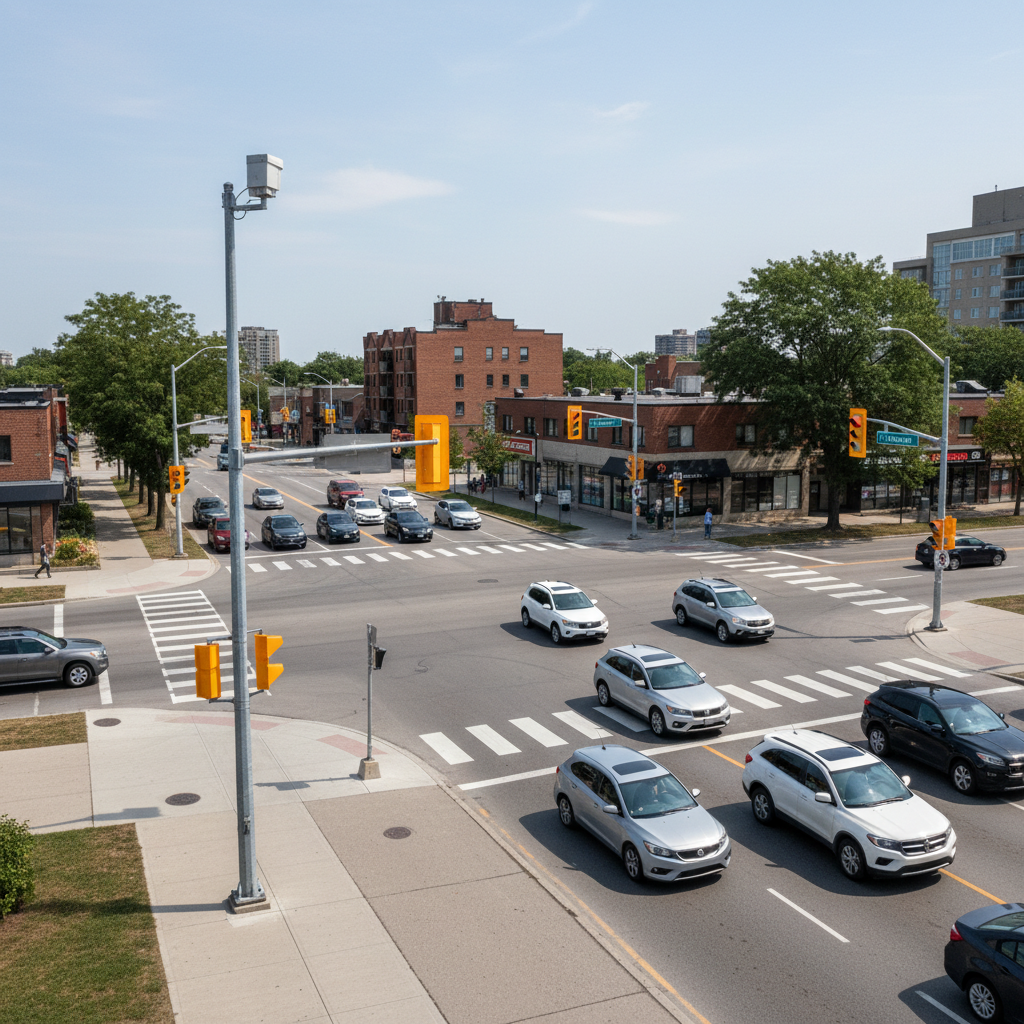
- Automated image capture when a vehicle enters on red.
- Ticket mailed to the registered owner’s address on file.
- Owner options include paying, meeting with a prosecutor (where available), or requesting a trial.
- Because the charge targets the owner, no demerit points are applied.
- Officer-issued workflow:
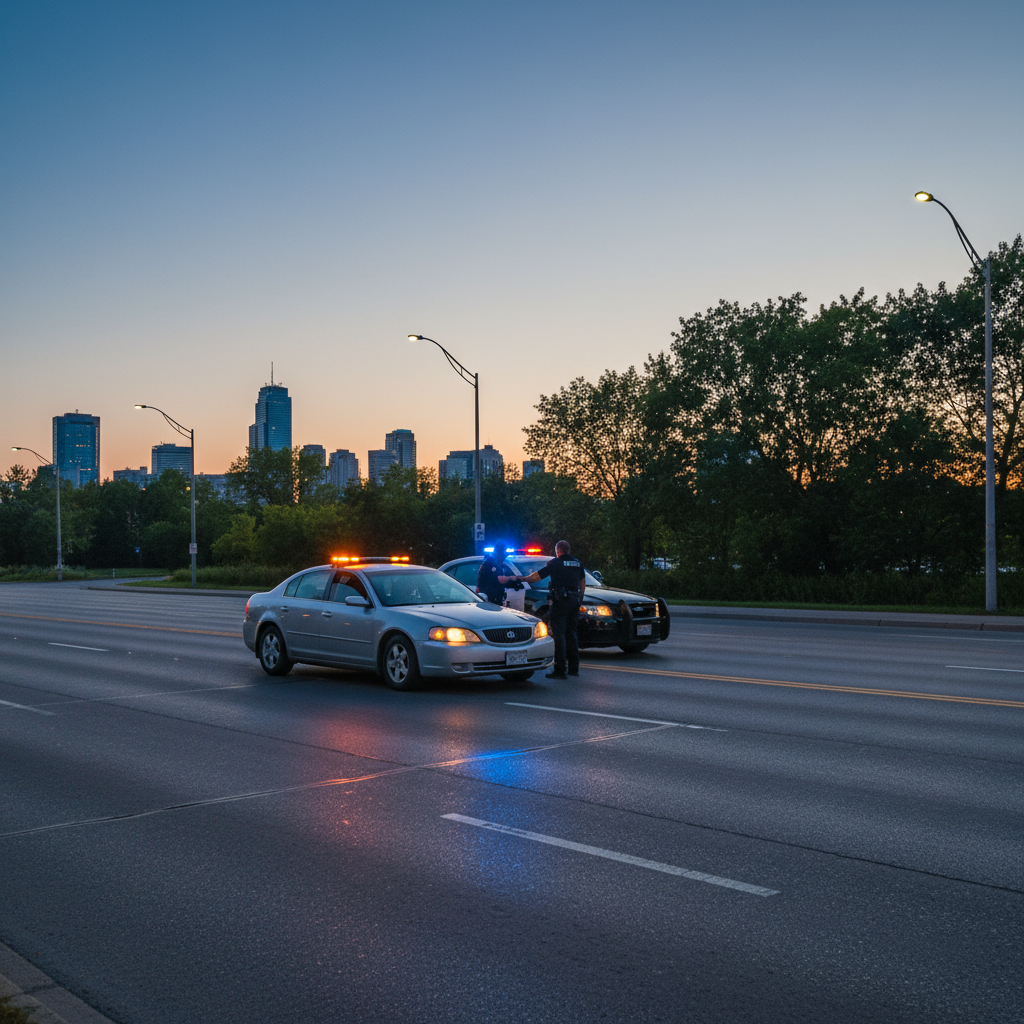
- Officer observes the violation and stops the driver.
- Ticket served to the driver with options on the back (e.g., pay, early resolution, trial).
- Upon conviction, demerit points may apply and the entry can carry more weight with insurers.
- Disclosure requests, officer notes, and intersection-specific details often shape the defense.
- Deadlines and where to respond:
- Follow the response instructions and due date printed on your notice.
- Municipal courts (e.g., Brampton Provincial Offences Court) administer options and hearing dates.
- Missing your response deadline can limit or eliminate resolution choices.
- Evidence packages:
- Camera cases rely on photos and metadata (time, lane, signal phase).
- Officer cases hinge on observations, diagrams, and any in-car/video support.
- Maps, weather records, and intersection plans can become relevant exhibits.

Proof and process details that often matter
- Stop line versus crosswalk: Stopping before the line or crosswalk is required; stopping after can still be a violation.
- Right turn on red: The law still requires a full stop. Rolling turns frequently appear in disclosure photos.
- Amber timing: Some defenses consider whether you entered on amber and whether stopping was safe.
- Driver identity: In camera cases, owner responsibility replaces the need to identify the driver for conviction purposes.
We’ve found that detailed intersection analysis—photos, sightlines, signage, lane markings—often shapes strategy. Small details can change case posture.
Types of Red Light Violations and Related Offenses
Ontario red light violations include failing to stop on solid red, rolling right-on-red without a full stop, and stopping past the line or crosswalk. Related charges may involve amber entry disputes or unsafe turns. Each scenario has different evidence and defense angles.
- Fail to stop at red:
- Entering the intersection after the light is red.
- Typically supported by images (camera) or officer testimony.
- Rolling right on red:
- Turning right without a complete stop first.
- Common at high-traffic corners where drivers “creep” through.
- Stopped beyond the line:
- Halting only after crossing the stop line or within the crosswalk.
- Evidence often shows tire placement relative to markings.
- Amber entry dispute:
- Claiming entry on amber while images suggest red at entry.
- Signal timing and vehicle position become critical.
- Unsafe turn or lane change in intersection:
- Separate charges may arise if movement endangered others.
- Some cases see multiple counts from one event.
Takeaway: Don’t assume all “red light tickets” are identical. The precise behavior, signage, and markings at that corner shape both the charge and strategy.
Red Light Ticket Consequences in Ontario at a Glance
Camera-based red light tickets don’t add demerit points but appear against the vehicle owner. Officer-issued convictions can add points, appear on your driving record, and influence insurance at renewal. Novice drivers and commercial operators may face added scrutiny after convictions.
| Aspect | Camera Ticket | Officer-Issued Ticket |
|---|---|---|
| Demerit points | No demerit points applied | Points may be applied upon conviction |
| Who is charged | Registered owner (owner responsibility) | Specific driver stopped by officer |
| Insurance signal | Conviction may appear; impact varies | Often weighed more heavily by insurers |
| Evidence | Photos/metadata of intersection entry | Officer notes, diagrams, potential video |
| Options | Pay, prosecutor meeting (where offered), trial | Pay, early resolution, trial; fuller disclosure |
- Driving record entry: Any conviction appears on your Ontario abstract for a defined period.
- Insurance review cycles: Insurers typically assess convictions at renewal cycles rather than the day they occur.
- Novice drivers (G1/G2): Convictions may invite added consequences depending on the driver’s broader record.
- Commercial considerations: Company policies and safety programs often scrutinize intersection violations.
According to public insurer and broker guidance, underwriters consider total infractions, recency, and severity when pricing. A clean abstract remains the single most reliable lever to manage premiums over time. For context on coverage nuances, see this overview on how to choose auto insurance in Ontario.
How long do convictions stay on record?
- Typical offense retention: Convictions appear for a defined period used by courts and insurers. Exact retention and underwriting use vary by organization.
- Abstract checks: Employers and insurers often check 3–6 years of history in practice; confirm your organization’s policy.
- Pattern risk: Repeated intersection violations undercut mitigation arguments and flexibility during negotiations.
Here’s the thing: one conviction rarely exists in isolation. Proactive management of your record today preserves option value for tomorrow.
Best Practices If You Receive a Red Light Ticket
Respond before the deadline, identify whether it’s a camera or officer ticket, and request disclosure for officer cases. Consider early resolution where appropriate, or set a trial date to preserve defenses. Professional representation helps you avoid pitfalls and protect your record.
- Read the notice carefully:
- Confirm whether it’s camera-based or officer-issued.
- Note the exact response deadline and your options.
- Preserve evidence early:
- Take your own photos of signage, stop lines, and sightlines.
- Record weather conditions if they help explain stopping distance.
- Request disclosure (officer-issued):
- Officer notes, diagrams, and any video are critical for strategy.
- Identify inconsistencies or missing elements that support negotiation.
- Consider early resolution:
- Some courts offer prosecutor meetings to discuss outcomes.
- Professional advocates can frame facts effectively and protect your record.
- Keep your calendar clear for hearings:
- Missing court dates can limit options severely.
- Bring documents that support your case (photos, diagrams, letters).
- Mind your driving habits:
- Make complete stops at the line and look for “No Right on Red” signs.
- Anticipate stale greens and adjust speed to avoid last-second decisions.
Need help now? Rathod Law Firm defends red light, speeding, stunt driving, and suspended license matters across Ontario. Our in-house lawyer–paralegal team manages disclosure, negotiations, and hearings so you don’t have to. Book a legal consultation from our Brampton office at 106-2250 Bovaird Drive East.
Tools and Resources That Help
Use your ticket’s response instructions, municipal court portals, and disclosure requests to manage timelines and evidence. For officer cases, detailed intersection photos, weather data, and lane diagrams often strengthen negotiations or trial strategy.
- Your ticket: The back of the notice outlines options (e.g., pay, early resolution, trial). The printed deadline governs all next steps.
- Municipal court offices: Where you file requests, submit disclosure forms, or confirm court dates.
- Disclosure package: Officer notes, diagrams, and any available video; essential for defense planning.
- Intersection visuals: Photos of signs, stop lines, medians, and lane arrows can rebut assumptions in disclosure.
- Weather records: Ice, snow, or heavy rain can contextualize braking distance and visibility.
- Driving record (abstract): Verify entries and dates so you understand what insurers or employers will see.
According to court administration guidance, timely filings and organized documents translate directly into smoother appearances. Well-prepared defendants—and their representatives—use fewer court resources and present clearer narratives.

Case Studies and Local Examples
Real outcomes hinge on facts: signage, stop line position, and disclosure details. With effective advocacy, many drivers reduce risk to their records and insurance. These anonymized Brampton-area examples show how strategy changes by ticket type and intersection layout.
- Camera right-on-red, no full stop (owner):
- Intersection: major arterial with high pedestrian volume.
- Action: We focused on signage visibility and stop line wear in photos.
- Result: Owner understood non-point nature; timing strategy prioritized minimizing record impact.
- Officer-issued, stop beyond line:
- Intersection: complex markings and faded paint.
- Action: We obtained officer notes and built a photographic record of line placement.
- Outcome: Negotiation emphasized ambiguity in markings and safe driving intent.
- Amber entry dispute with slope and ice:
- Intersection: downhill approach with winter conditions.
- Action: Weather records and vehicle position analysis supported safe-stop concerns.
- Outcome: Strategy targeted context rather than denial of conditions.
- Commercial driver screening concerns:
- Issue: Employer reviewing recent abstracts for route assignments.
- Action: We mapped convictions chronologically and emphasized safe driving improvements.
- Outcome: Client maintained work eligibility while managing future risk.
- Novice driver (G2) learning curve:
- Issue: Family concerned about insurance and licensing milestones.
- Action: Coaching on defensive habits; careful handling of timeline and options.
- Outcome: Clear plan reduced surprises at renewal time.
When working with clients in Brampton, we find the biggest wins come from getting ahead of the timeline, understanding the exact corner facts, and communicating professionally with prosecutors.
Frequently Asked Questions
Most Ontario red light questions boil down to points, insurance, and options. Camera tickets don’t add points; officer-issued tickets may. Your notice shows deadlines. If records or employment are at stake, speak with a traffic defense professional early.
- How do I tell if my ticket is a camera or officer ticket?
Camera tickets arrive by mail and typically include intersection photos. Officer-issued tickets are handed to you at the roadside. The notice wording and delivery method usually make this clear, and it drives your next steps and defense strategy.
- Do red light camera tickets affect insurance?
They can appear as owner-responsibility convictions, but they don’t add demerit points. Insurers weigh total record factors. In practice, officer-issued moving violations usually draw more underwriting attention than camera-based owner convictions.
- What if I missed the response deadline?
Act immediately. Some municipalities offer limited avenues to reopen matters, but timing is critical and not guaranteed. Professional representation improves your odds of identifying any remaining procedural steps.
- Should I request disclosure for a camera ticket?
Disclosure is most critical in officer-issued matters. Camera cases hinge on automated images and metadata. Still, reviewing the photographic evidence closely is useful to confirm lane, stop line, and timing details.
- Can a red light ticket affect my job prospects?
If driving is essential, employers often review abstracts. An officer-issued conviction can raise concerns. Managing your record proactively—and explaining context when needed—protects opportunities.
Conclusion, Key Takeaways, and Next Steps
Camera tickets don’t add points; officer-issued red light tickets can. Both create record entries that insurers may review. Act before your deadline, confirm your ticket type, and consider professional help to protect your driver’s license and minimize long-term consequences.
Key takeaways
- Ticket type controls strategy: Camera versus officer-issued dictates evidence, points, and negotiation posture.
- Records drive insurance: Keep your abstract clean to avoid renewal surprises.
- Timelines matter: Missing a deadline shrinks your options quickly.
- Details win cases: Stop lines, signage, and weather data can shift outcomes.
Action steps
- Read your notice and calendar the response deadline immediately.
- Identify ticket type; request disclosure for officer-issued cases.
- Document the intersection and conditions while details are fresh.
- Contact Rathod Law Firm for a focused, local defense plan in Brampton.
Soft CTA: Book a consultation with Rathod Law Firm, 106-2250 Bovaird Drive East, Brampton. Our integrated lawyer–paralegal team defends red light, speeding, stunt driving, and suspended license matters across Ontario.