
01.
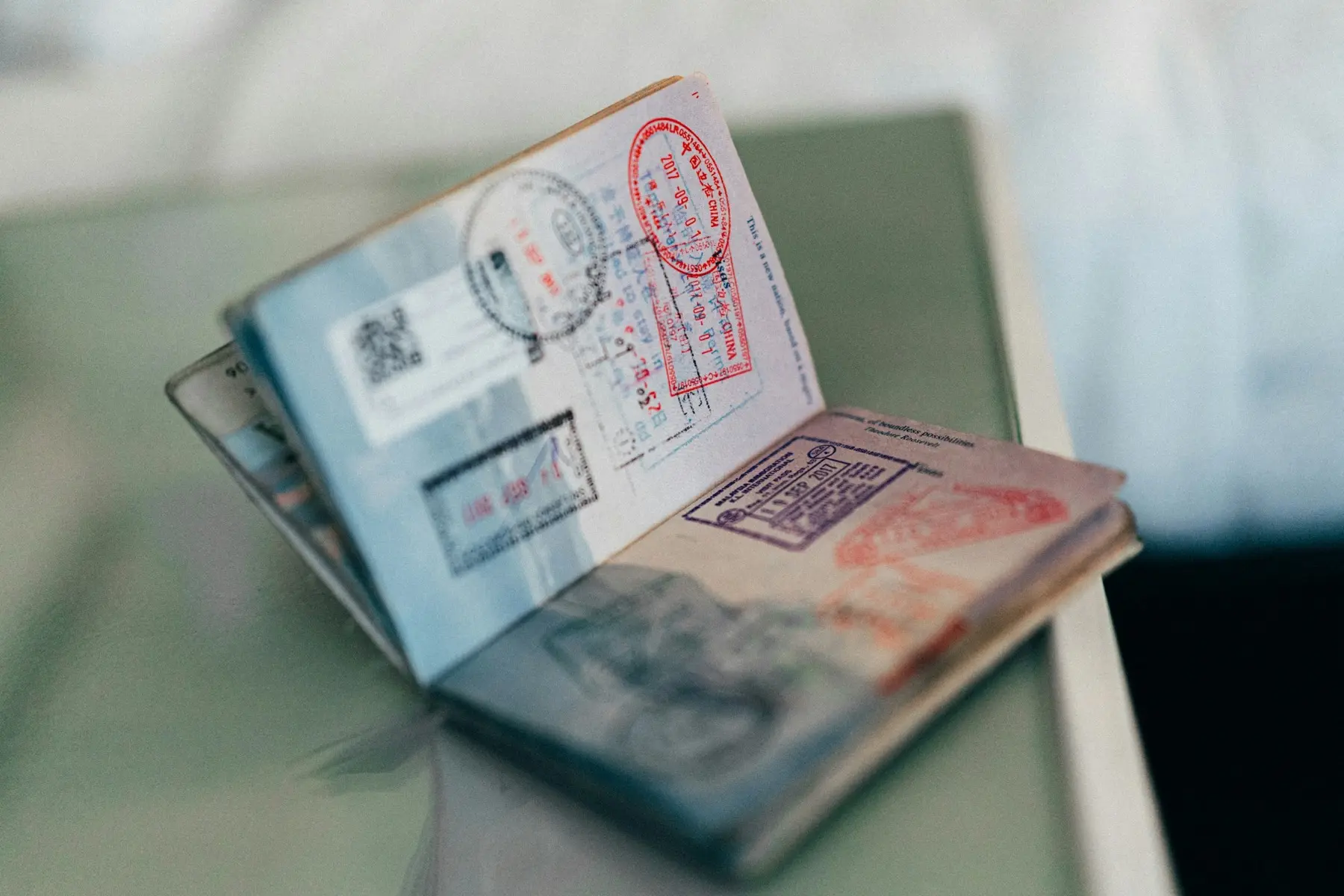
Immigration Law
Refusals, appeals and judicial review, plus sponsorship, work permits and study permits.

Most notarial work takes a few minutes, and almost every wasted trip comes down to the same two mistakes: arriving without government photo identification, or arriving with the document already signed.
About this practice area
A commissioner of oaths can administer an oath or affirmation and take an affidavit or statutory declaration for use inside Ontario. A notary public can do that and more, including certifying a copy as a true copy of an original and witnessing signatures on documents intended for use outside the province.
If a document is going to another country, or to a bank, court or authority that asks specifically for notarisation, you generally need a notary public rather than a commissioner.
Our approach
The same four steps on every matter, whether it is a refusal at the Federal Court or a ticket at the Provincial Offences court.
Book a consultationWe take the full history and read the documents before offering an opinion. Most bad advice comes from acting on half the facts.
You get a candid read on strength, timeline and cost, including when the honest answer is that you do not need to hire anyone.
We prepare the application, the defence or the appeal properly the first time, because fixing a weak record later is harder and dearer.
You hear from us at each stage, and you hear what a wait actually means rather than a date chosen to sound better.
Who we take
3 reasons either way
Worth reading before you book. Turning away a matter we should not take costs us a file and saves you a retainer.
Bring photo identification and leave the document unsigned, and most appointments are finished in under fifteen minutes.
A notary public in Ontario cannot witness a signature that was already on the page when you walked in.
Also from Rathod Law Firm
01.
Refusals, appeals and judicial review, plus sponsorship, work permits and study permits.
02.
Motor vehicle collisions, slip and fall, long term disability and accident benefits.
04.
Small Claims Court, tribunal hearings and Provincial Offences, at paralegal rates.
06.
Speeding, stunt driving, red light and careless driving charges under the Highway Traffic Act.
08.
Contract and commercial disputes, debt claims, real estate litigation and Small Claims.
09.
A first assessment of where you stand, what it costs, and whether you need us at all.
Common questions
4 answered here
The ones that come up before somebody decides to ring at all. Each answer is the whole answer, not a teaser for a telephone call.
Notaries are appointed province by province, so there is no single Canadian answer. In Ontario the office comes from the Notaries Act, and section 1(1) puts the appointment in the hands of the Attorney General.
Section 2 is where lawyers and Licensed Paralegals differ from everyone else. A person who is not a licensee under the Law Society Act cannot be appointed unless they meet the qualification requirements set by regulation. A licensee is not held to those requirements.
The second difference is what the appointment allows. Under section 3(2) a notary who is not a Law Society licensee can have their appointment limited by territory and by the kinds of case they may act on. A licensee's appointment carries no such limit.
Section 3(1) sets out what any notary may do: witness or certify and attest the execution of a document, certify and attest a true copy, and exercise the powers of a commissioner for taking affidavits in Ontario. Section 3(4) adds that where a notary is authorised by an Act to take an oath, affidavit or declaration, a seal is not needed for it to be valid.
Read on e-Laws at the currency date of 7 September 2026.
Valid government issued photo identification, and the document unsigned. You sign in front of the notary, because the notary is attesting that you signed it, not that a signature already existed.
For a certified true copy, bring the original as well as the copy. For a document that names other parties, everyone who must sign needs to attend with their own identification.
Affidavits and statutory declarations, certified true copies of passports, diplomas and identity documents, consent to travel letters for a child travelling with one parent or another adult, invitation letters supporting visitor visa applications, powers of attorney, and signature witnessing and authentication.
Where a document is going abroad it usually needs authentication beyond notarisation, from Official Documents Services. Since Canada joined the Hague Apostille Convention on 11 January 2024 that step produces an apostille for a signatory country and a certificate of authentication for a country that is not a signatory, and an apostille may remove the consular legalisation that used to follow it. Ask the receiving authority what they require before booking, because that step is theirs to specify.
Notarial work is by appointment so that a notary is present when you arrive rather than in a hearing somewhere else. Ring the main number and say what the document is, because a statutory declaration, a certified true copy and a travel consent letter each need something different brought with you.
A notary public in Ontario can usually finish an appointment in under fifteen minutes.