01.
Visitor Visas and Super Visas
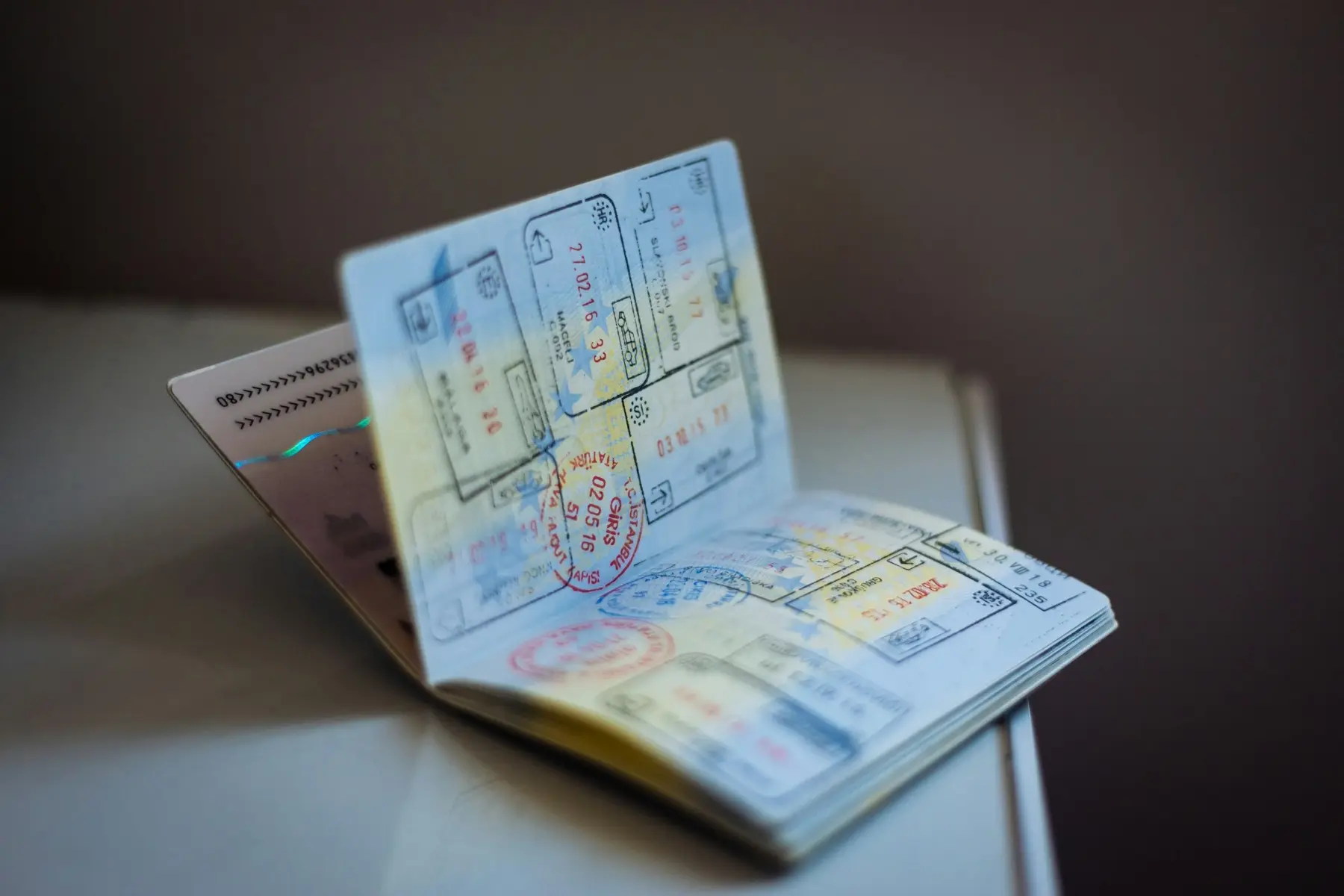
Temporary resident visas, super visas for parents and grandparents, and extensions.

An immigration lawyer in Ontario is most useful at two moments: before you file, when the record is still yours to build, and straight after a refusal, when the clock starts running.
About this practice area
A refusal is not always the end of the matter. Refusals of visitor visas, study permits, work permits, spousal open work permits and permanent residence applications, along with failed refugee claims, can be challenged at the Federal Court of Canada by an application for leave and judicial review.
Judicial review does not re-argue your application on its merits. It asks whether the decision was reasonable and whether the process was fair. Those are different questions from the one the officer answered, which is why a refusal that reads as final on the letter is often still reviewable.
Most of the immigration work at this firm starts here. Bring the refusal letter, and the GCMS notes if you have them, because what the officer actually recorded is usually more useful than the letter you were sent.
All filed from the Brampton office. Federal Court work is run by the lawyer rather than referred out.
Of 22 reported since 2023, each checkable by citation. The rest were dismissed.
Kapil Rathod started as a Regulated Canadian Immigration Consultant and was called to the Bar in 2019.
English, Hindi, Gujarati, Punjabi and Urdu, throughout the matter and not only at intake.
What we handle
27 areas of work
All of them filed from the Brampton office. Where a matter needs the Federal Court it is run by the lawyer rather than referred out.
01.
Temporary resident visas, super visas for parents and grandparents, and extensions.
03.
The wage threshold that decides the stream, the transition plan, and four weeks of advertising.
04.
The 10 per cent cap, eight weeks of advertising, and the areas where it is not processed.
05.
The ten business day assessment, the two categories, and the benefits plan that outlives it.
06.
The exemption groups in sections 204 to 208, the codes, and what an exemption does not remove.
07.
Employer supported permits, LMIA applications and the exemptions that avoid one.
08.
Express Entry, the Federal Skilled Worker and Canadian Experience classes, and provincial nomination.
09.
Enhanced and base streams, the 600 point nomination, and the capital rules on the entrepreneur routes.
10.
Grant applications, the physical presence count, and citizenship by descent since the December 2025 change.
11.
The Home Care Worker pilots, closed to new applications, and what is left for a caregiver now.
12.
Renewing the card, what an expiry does not do to your status, and the travel document route.
13.
Spousal and common law sponsorship, inland and outland, and appeals to the Immigration Appeal Division.
14.
Sponsoring parents and grandparents, the 20 year undertaking, and the super visa while intake is paused.
15.
Open work permits for the spouse of a worker or student, on the rules as they stand since January 2025.
16.
Intra company transfers and significant benefit permits, and which business routes are still open.
Intra-Company Transfers, Entrepreneur Work Permits, Buying a Business, Start-up Visa, Provincial Streams by Province, British Columbia, Alberta, Atlantic Canada, Manitoba
18.
The four limbs of section 40, when the five years start, and which appeal survives a finding.
19.
The letter that arrives before a refusal, what section 40 puts at stake, and how a reply is built.
21.
Sponsorship, removal order and residency obligation appeals, and the disclosure limits that decide them.
22.
What the published estimates measure, and when a stalled file becomes a mandamus application.
23.
Leave and judicial review of an IRCC decision, and mandamus where a file has stalled.
24.
Criminal and medical inadmissibility, temporary resident permits and authorisation to return.
25.
730 days in five years, what days abroad count as, and the 60 day appeal against a decision made overseas.
26.
Claims at the Refugee Protection Division and appeals to the Refugee Appeal Division.
27.
Applications of last resort under section 25, the twelve month bar, and the best interests of a child.
Our approach
The same four steps on every matter, whether it is a refusal at the Federal Court or a ticket at the Provincial Offences court.
Book a consultationWe take the full history and read the documents before offering an opinion. Most bad advice comes from acting on half the facts.
You get a candid read on strength, timeline and cost, including when the honest answer is that you do not need to hire anyone.
We prepare the application, the defence or the appeal properly the first time, because fixing a weak record later is harder and dearer.
You hear from us at each stage, and you hear what a wait actually means rather than a date chosen to sound better.
Who we take
3 reasons either way
Worth reading before you book. Turning away a matter we should not take costs us a file and saves you a retainer.
Fees
$500 with the lawyer, $250 with an RCIC, $200 with a Licensed Paralegal
Quoted per matter rather than by the hour, so the figure is known before you commit to it. You are told the cost of the next step at the first meeting, not after the work has started.
$500
With Kapil Rathod, the principal lawyer. Inclusive of HST. Needed where a matter may go to the Federal Court or the Immigration and Refugee Board.
Book a consultation$250
Inclusive of HST. The cheaper route for an ordinary filing, and you should not pay lawyer rates to be told your matter is one.
Book a consultation$200
Inclusive of HST. For Small Claims Court, Provincial Offences and notarial work, which a Licensed Paralegal is authorised to run without a lawyer's cost attached.
Book a consultationAn immigration lawyer in Ontario cannot promise you a visa, and you should be wary of anyone who does.
What is controllable is the quality of the record you file, whether the deadline is met, and whether a refusal is challenged on grounds a court will actually entertain.
Also from Rathod Law Firm
02.
Motor vehicle collisions, slip and fall, long term disability and accident benefits.
04.
Small Claims Court, tribunal hearings and Provincial Offences, at paralegal rates.
05.
Affidavits, statutory declarations, certified true copies and travel consent letters.
06.
Speeding, stunt driving, red light and careless driving charges under the Highway Traffic Act.
08.
Contract and commercial disputes, debt claims, real estate litigation and Small Claims.
09.
A first assessment of where you stand, what it costs, and whether you need us at all.
Common questions
7 answered here
The ones that come up before somebody decides to ring at all. Each answer is the whole answer, not a teaser for a telephone call.
Most refusals come down to a small number of findings, and they repeat. For visitor and study permit applications the commonest is that the officer was not satisfied you would leave Canada at the end of your authorised stay, usually expressed as weak ties to your home country, a purpose of travel that does not match a temporary stay, or funds that were not established.
Study permits also fail where the study plan does not hold together: a programme that repeats qualifications you already have, or that has no evident link to what you intend to do afterwards.
Spousal and common law applications turn on whether the relationship is genuine, and applications of every kind can be refused for an incomplete submission that was returned rather than assessed.
The finding to take seriously is misrepresentation. A finding under section 40 of the Immigration and Refugee Protection Act carries a five year bar on applying again, and it can follow from an omission as easily as from something stated. If a procedural fairness letter has raised it, answer it with advice rather than on your own.
The refusal letter is a summary, often little more than boxes ticked against standard grounds. The officer's reasoning sits in the Global Case Management System notes, and those are obtained through an access to information request to IRCC.
The request has to be made by a Canadian citizen, a permanent resident, or a person present in Canada, so an applicant abroad needs somebody in Canada to file it for them. IRCC has 30 days to respond under the legislation, although extensions are common and you should assume longer.
Those notes decide what happens next. They show whether the officer misread a document, applied the wrong test, or reached a conclusion the evidence did not support, and that is the difference between a refusal worth challenging and one better answered with a stronger fresh application. Ordering them early is worth it, because the filing deadline does not pause while you wait.
The deadline runs from the day you received the decision, not the day you decided to do something about it. For a decision made inside Canada you have 15 days to file. For a decision made outside Canada you have 60 days. Those periods come from section 72 of the Immigration and Refugee Protection Act.
A sponsorship refusal that carries a right of appeal to the Immigration Appeal Division runs on its own timetable, normally 30 days from the day you received the refusal. The letter usually states which route is open to you.
An extension can be asked for, and it is sometimes granted, but it has to be justified and the argument is far stronger when the delay is short. If the date on your letter is close, say so when you call rather than waiting for an appointment that suits everyone.
Both can be paid to represent you before Immigration, Refugees and Citizenship Canada, and for a straightforward application a consultant is the cheaper route. The difference matters once a matter leaves IRCC.
Only a lawyer can act for you at the Federal Court of Canada. If a refusal has to be challenged by judicial review, or a stalled file needs a mandamus application, that work cannot be done by a consultant. A consultant can appear at some Immigration and Refugee Board hearings, depending on their class of licence.
This is why the firm charges two consultation rates rather than one. If your matter is an ordinary filing, you should not be paying lawyer rates to be told so.
You explain the situation, in English, Hindi, Gujarati, Punjabi or Urdu, and you are told where you stand. Not what you would like to hear, and not a decision dressed up as a certainty, because nobody can promise you an outcome that an officer or a judge controls.
You leave with the position stated plainly, the realistic options ranked, the likely timeline, and any deadline written down. If the honest answer is that there is no good route, you are told that too, and you have not spent a retainer finding out.
Kapil Rathod is the principal lawyer and carries the Federal Court and Immigration and Refugee Board work himself. He began in immigration in 2011 as a Regulated Canadian Immigration Consultant and was called to the Bar in Canada in 2019, so the application side and the litigation side of the same refusal are familiar to him.
Day to day contact is usually with a named case manager rather than with reception. You are told who that is at the outset, and the firm works in English, Hindi, Gujarati, Punjabi and Urdu throughout rather than only at the first meeting.
Tell the firm rather than IRCC's general enquiry line. A marriage, a birth, a new job, a criminal charge, an expired passport or a move to a new address can each change what should be filed, and some of them create a duty to update an application that is already in the system.
Changes that are reported late look like omissions when an officer finds them later. Reported early they are usually just an update.
Bring the refusal letter and the deadline on it. An immigration lawyer in Ontario can tell you in one meeting whether the decision is reviewable.