
Darshan Patel, Immigration Assistant
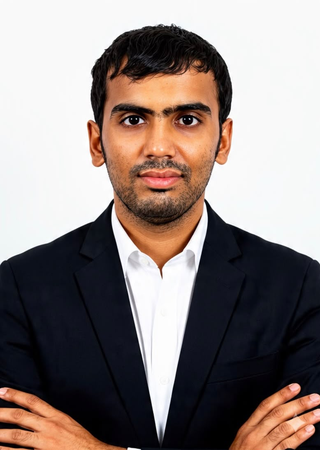
Immigration Assistant
Who is Darshan Patel?
Darshan Patel has worked as an Immigration Assistant for ten years. He handles the mechanics of a filing: the IRCC forms, the translations and certified copies a document has to travel with, and the appointments a family has to attend.
Works in English, Hindi and Gujarati.
In their words
What should you know about Darshan?
6 answered here
Darshan is the firm's Immigration Assistant. The answers below say what that means on a file, rather than the adjectives a profile usually collects.
What does Darshan do on an application?
He puts the package together. That means the IRCC forms and the current version of each one, the supporting documents in a form IRCC will accept, and the appointments that have to be booked before a file can move. Once the application is in, he handles the correspondence.
Much of what goes wrong at this stage has nothing to do with the merits of a case. IRCC rejects an incomplete application rather than assessing it, and the applicant fixes the error and resubmits, having lost the time. A form on a superseded version, a document in a language the officer does not read, an uncertified photocopy: none of those is an argument about the case, and all of them stop it.
Why does a translated document need the original with it?
Every supporting document that is not in English or French needs two things, and people usually send one. The first is the translation. The second is a scan of the original the translator worked from, or of the certified copy of it if that is what they used.
The translation has to be stamped by a certified translator, and the stamp has to show the translator's membership number. Where a certified translator cannot do it, the translation can instead be sworn in an affidavit signed in front of an authorized person, referring to both the translation and the original document. Stamps and seals on the original that are not in English or French have to be translated as well, which is the part most often missed.
Two people are barred from doing the translation: a family member, and the immigration representative acting on the file. The firm therefore cannot translate a client's own documents, and saying so at the outset is cheaper than having the application come back.
What makes a copy a certified true copy?
An authorized person compares the copy against the original and writes on the copy that it is a true copy of the original document, with the name of the document, the date of certification, their own name, their official position or title, and their signature. A photocopy with a signature on it is not a certified copy.
In Canada that authorized person can be a notary public, a commissioner of oaths or a commissioner for taking affidavits, and the authority varies by province, so it is worth confirming locally. Saleema Panjwani carries the firm's notarial work. The restriction that catches people is at the other end: the applicant, the sponsor, and family members of either, cannot certify the copy however well qualified they are.
Who in a family needs a biometrics appointment?
Often fewer people than the family expects, which matters when appointments have to be arranged around work and school. IRCC exempts children under 14 and applicants over 79, with no upper age exemption for an asylum claimant.
There is a second exemption that gets missed. Somebody who has already given biometrics for a permanent residence application still being processed does not give them again for a visitor visa, a study permit or a work permit. Between the two exemptions, a household of five can turn out to be three appointments.
The fee is $85 for one applicant and is capped at $170 for a family applying at the same time, both checked against IRCC in September 2026.
Which form appoints the firm to act for you?
The Use of a Representative form, IMM 5476. The same form updates a representative's contact details, cancels an appointment, and records a representative withdrawing, so on a long file it comes round more than once.
The detail that catches families is that a dependent child aged 18 or over completes their own copy. A child included on a parent's application stops being covered by the parent's form at that age, and nothing prompts anyone about it.
Who decides what is actually filed?
Not Darshan. He holds no licence from the Law Society of Ontario or from the College of Immigration and Citizenship Consultants, so he does not choose a programme, judge whether an application is worth making, or tell a client what an officer will do with it.
Those are consultation questions, answered by Kapil Rathod or by one of the firm's immigration consultants, and they are answered first. The work above carries out a decision that has already been taken.
Which work does this connect to?
Darshan Patel has spent ten years on the mechanics of Canadian immigration filings.
Send documents in whatever language they were issued in rather than translating them first, because who did the translation is part of what IRCC assesses.
Speak to someone this week
Darshan Patel, Immigration Assistant at Rathod Law Firm, gets the forms, translations and appointments in order before an application is filed.